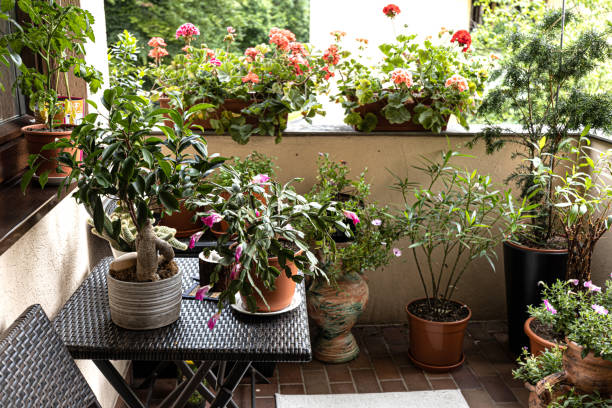
Growing food in small spaces requires rethinking traditional garden rules. When your entire growing footprint is a fifth-floor balcony with concrete floors, high-altitude wind gusts, and strict tenancy rules against wall anchor drilling, standard advice simply doesn’t apply.
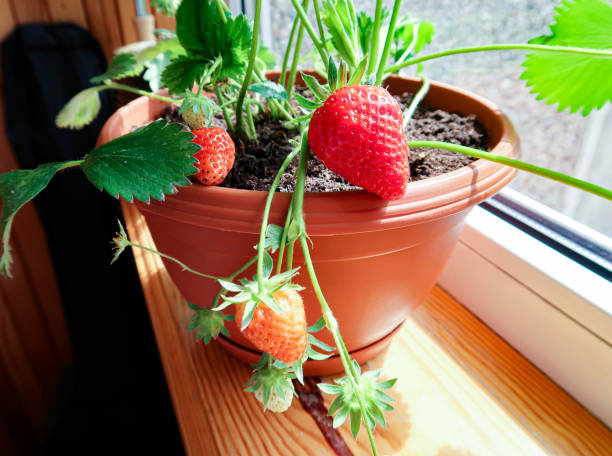
This guide breaks down everything you need to know about growing strawberries in balcony railing planters—from sizing containers and calculating wet soil weights to managing microclimates and harvesting reliable crops all season long.
Quick Summary & Core Rules
If you only take away the essentials, keep these core parameters in mind for balcony container growing:
{% table %}
- Consideration
- Requirement for Balconies
- Why It Matters
- Container Depth
- 20–30 cm minimum
- Allows root expansion without drying out mid-afternoon
- Pot Volume
- 10–25 Litres per plant
- Buffers moisture and prevents sudden nutrient depletion
- Soil Mixture
- 60% Peat-free potting compost, 25% Perlite, 15% Worm castings
- Maximizes water retention while staying lightweight
- Weight Budget
- Distribute across outer perimeter beams
- Avoids overloading balcony floor spans
- Sunlight
- 4 to 6+ hours direct exposure
- Balcony railings often cast long shadows {% /table %}
Choosing the Right Containers for Growing strawberries in balcony railing planters
Container choice directly determines whether your plants thrive or struggle. On a balcony, every container serves two masters: root health and physical stability.
Material Selection: Fabric vs Plastic vs Terracotta
- Fabric Grow Bags: Exceptional aeration and automatic air-pruning of root tips. They are lightweight when empty and impossible for wind to shatter. However, they lose moisture quickly on hot, breezy afternoons.
- UV-Stabilized Recycled Plastic: Retains moisture reliably during heatwaves. Look for pots with built-in overflow reservoirs or saucer trays to prevent muddy water dripping onto neighbours below.
- Terracotta & Glazed Ceramic: Visually appealing and heavy enough to resist strong wind gusts, but their dry weight is substantial. On rental balconies with strict structural weight ratings, use ceramic sparingly.
Self-watering planters with an integrated bottom reservoir are a game-changer on elevated balconies. High winds accelerate transpiration, drying out surface soil in hours. A capillary wick system keeps moisture consistent without drowning delicate roots.
Soil Mix: Lightweight Nutrition Without the Weight
Never use garden topsoil in balcony pots. Beyond introducing weeds and pests, wet ground soil turns into a dense, compacted brick that suffocates roots and adds excessive dead weight to your balcony.
Instead, blend a custom lightweight container substrate:
- Peat-Free Multipurpose Compost (60%): Provides bulk organic matter and baseline microbial activity.
- Coarse Horticultural Perlite or Vermiculite (25%): Ensures air pockets remain open and prevents waterlogging during prolonged rainstorms.
- Worm Castings / Organic Slow-Release Pellets (15%): Supplies continuous gentle nitrogen and trace micronutrients without causing salt burn.
Managing Balcony Microclimates: Wind, Heat & Light
Balconies are extreme microclimates. Concrete slabs absorb radiant heat during the day and re-emit it late into the evening, while corner drafts create wind tunnels that can snap fragile stems.
Wind Protection Without Drilling
High-floor gusts can desiccate foliage faster than the sun. If your balcony catches prevailing winds, staking is mandatory.
A breathable windbreak screen attached to railing balusters softens turbulent wind into a gentle breeze, preserving humidity around your plants while letting vital sunlight through.
Watering Routines and Drainage Etiquette
Renting means you have neighbours below you. Nothing triggers landlord complaints faster than dirty irrigation water cascading down someone’s freshly washed laundry or patio furniture.
- Always use deep drip trays under free-standing pots.
- Water early in the morning before solar radiation heats the pot walls.
- Test moisture 5 cm below the surface using the finger test rather than sticking to an arbitrary calendar schedule.
Troubleshooting Common Issues
1. Rapid Drying and Drooping Foliage
If your containers dry out within hours of watering, the root ball has likely filled the container completely (root-bound), or your substrate lacks sufficient moisture-holding organic matter. Top-dress with a 2 cm layer of fine bark mulch or compost to shade the soil surface.
2. Yellowing Lower Leaves
Yellow lower leaves usually indicate either nitrogen depletion (common in containers where frequent watering leaches nutrients) or over-saturation from blocked drainage holes. Inspect pot base holes regularly for root blockage.
3. Stems Leaning Toward the Light
Balconies surrounded by tall buildings create directional light. Rotate square and round containers a quarter turn every week to ensure balanced stem growth and prevent top-heavy tipping.
Seasonal Wrap-Up
Mastering growing strawberries in balcony railing planters in containers transforms even the narrowest concrete balcony into a productive, peaceful urban retreat. By selecting right-sized pots, blending lightweight soil, and accounting for wind, you can harvest abundant fresh produce without risking your tenancy deposit.