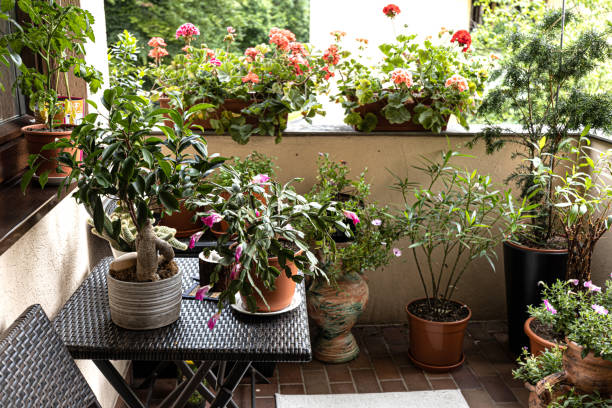
Winter in the city—especially on a 5th-floor balcony—isn’t just a calendar event; it’s a stress test for your plants. While loganberries and chili peppers couldn’t be more different biologically, they share one commonality when grown in containers: their roots are far more exposed to freezing temperatures than those in the ground.
If you don’t insulate your pots, the soil mass will freeze solid, effectively killing the roots of your chili peppers or causing significant crown damage to your loganberries. Here is how to keep them alive until spring.
The Strategy: Root Zone Protection
The golden rule for balcony winterizing is that air temperature matters less than soil temperature. A container-grown plant has zero insulation from the earth’s heat. Once the substrate temperature stays below freezing for several days, the root system dehydrates and dies.
For both loganberries and chili peppers, your goal is to keep the root ball between 0°C and 5°C. You aren’t trying to make them grow; you are trying to keep them in a state of suspended animation.
Winterizing Potted Loganberries
Loganberries are hardy, but in a pot, the canes are vulnerable to wind chill, and the roots are prone to freezing.
1. Pruning and Preparation
Before the first hard frost, prune back the old canes that fruited this year. Loganberries produce fruit on two-year-old wood. Tie the new, flexible canes to a support structure. If you are using a trellis, ensure it is securely lashed to your balcony railing so it doesn’t become a sail in winter winds.
2. Container Insulation
Move your loganberry pot away from the edge of the balcony toward the apartment wall, where it can benefit from the building’s ambient heat. Wrap the entire pot in bubble wrap or horticultural fleece.
- Pro-tip: If your pot is sitting directly on a cold concrete balcony floor, slide a thick piece of polystyrene or a wooden pallet underneath it. This “thermal break” is essential to prevent frost from creeping up through the base.
3. Moisture Management
Loganberries in winter do not need much water, but they should not go bone-dry. Check the moisture level once every three weeks. If it’s dry to the touch 5cm down, give it a splash of tepid water.
Winterizing Chili Peppers: The Perennial Approach
Many people treat chilis as annuals, but they are actually tropical perennials. If you can keep them frost-free, they will return with more vigor and a heavier harvest in their second and third years.
1. The Migration Indoors
Chilis will die instantly at 0°C. If your balcony temperatures dip below 5°C at night, it is time to move them inside. If you lack space, a compact balcony greenhouse can work, provided you include a heat mat or an insulation layer.
2. The Hard Prune
If you are bringing them indoors, perform a “rejuvenation prune.” Cut the main stems back to the first or second set of nodes above the main fork. This reduces the plant’s transpiration surface and makes it easier to manage under low-light winter conditions.
3. Light and Water
Once inside, your chilis will enter a state of semi-dormancy. They do not need high-intensity light, but they do need some. A window with a southern exposure is ideal. If you are in a dark urban center, a small clip-on LED grow light will prevent them from becoming “leggy” and weak.
4. Avoiding the Pitfalls
- Overwatering: This is the #1 killer of overwintering chilis. With less light and lower temperatures, the plant drinks significantly less. Water only when the top 5–7cm of soil is dry.
- Pests: Aphids and fungus gnats thrive in the warm, stagnant air of a heated apartment. Inspect the underside of leaves weekly. A simple neem oil spray or insecticidal soap works wonders before an infestation takes hold.
Comparative Protection Checklist
| Feature | Loganberry (Hardy) | Chili Pepper (Tropical) |
|---|---|---|
| Ideal Temp | 0°C to 10°C | 10°C to 18°C |
| Location | Balcony (against wall) | Indoor / Greenhouse |
| Pruning | Remove old wood | Hard prune to main fork |
| Watering | Sparse, prevent freezing | Minimal, prevent wilting |
| Light | Minimal (dormant) | Moderate (growing) |
Soil and Container Considerations
The health of your plants in spring is determined by what you do to the soil now.
Nutrition
Do not fertilize in winter. Both plants are effectively “asleep.” Adding nitrogen or balanced fertilizer now will only encourage weak, spindly growth that will likely succumb to the next cold snap. Hold off on feeding until the first signs of green buds appear in late March or early April.
Soil Health
If you have high-density plastic pots, be aware that they can become brittle in extreme cold. If you notice cracks, empty the pot in the spring and move the root ball to a fabric grow bag. Fabric bags provide superior root aeration and are far more forgiving during the freeze-thaw cycles we see in the city.
Weight Distribution
Remember that wet, frozen soil is heavy. If you have moved all your pots to one corner of your balcony to protect them from the wind, double-check your building’s load-bearing capacity. Keep the heaviest containers near the load-bearing wall of the building rather than at the outermost edge of the balcony slab.
Troubleshooting Common Winter Issues
Why are my leaves turning yellow?
On chilis, this is almost always a sign of overwatering. The roots are struggling to breathe in cold, sodden soil. Increase the time between waterings and ensure your pot has adequate drainage holes. If you are using a self-watering planter, empty the reservoir for the duration of the winter.
Why is the soil pulling away from the sides of the pot?
This is a natural occurrence caused by cold temperatures drying out the peat or coco-coir in your mix. It’s not harmful, but it does mean that water will run down the sides of the pot without touching the roots. When you do water, do it slowly and from the top to ensure the center of the root ball gets properly hydrated.
How do I know if they survived?
In early spring, perform the “scratch test.” Use your thumbnail to gently scratch the bark of a chili stem or a loganberry cane. If the tissue underneath is green, it is alive. If it is brown or woody all the way through, that specific section has died back. Don’t panic; prune back to the nearest healthy node and wait for new growth.
By taking these steps now, you aren’t just “storing” your plants; you are ensuring they have the energy to explode with growth the moment the spring sun hits your balcony. It takes a little effort in November, but harvesting your own peppers and berries in early summer makes the winterizing chore worth every minute.