
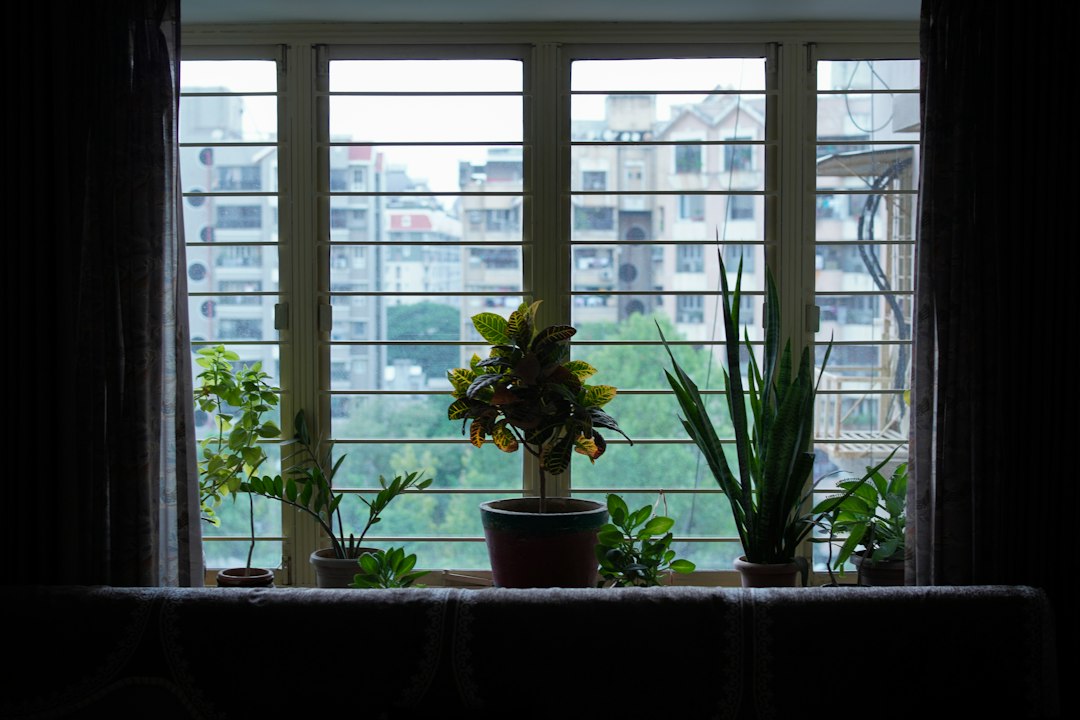
Hey, I’m Josh. If you’ve managed to kill every single plant you’ve ever owned, the snake plant (Sansevieria, or more accurately Dracaena trifasciata) is your redemption arc. Over here in my Berlin flat, I keep one right by my desk, and it routinely survives my occasional weeks of neglect. It’s tough, architectural, and practically begs you to ignore it.
Whether you’re working with a north-facing windowsill that barely sees the sun or a cramped studio apartment where space is at a premium, this is the ultimate renter-friendly houseplant. Let’s dive into how to grow and keep one thriving without turning your living room into a jungle.
Why the Snake Plant is the Ultimate Renter Plant
When you’re renting, your apartment’s light and microclimate are out of your control. You might get blasted by afternoon heat or stuck in a gloomy courtyard shadow. Snake plants adapt to almost anything:
- Neglect tolerant: They store water in their thick, succulent leaves, meaning they won’t throw a tantrum if you forget to water them while away for the weekend.
- Low light champions: While they love a bright spot, they tolerate lower light levels better than almost any other houseplant.
- Vertical growth habit: Instead of spreading out and eating your precious floor space, they grow straight up, making them perfect for tight corners.
Choosing the Right Spot in Your Flat
People always ask me if snake plants can live in absolute darkness. The short answer is: they survive, but they won’t thrive.
- Bright, indirect light: This is the sweet spot. Near an east or west-facing window is ideal.
- Low light corners: If your flat is dark, your snake plant will limp along just fine, but growth slows to a near standstill.
- Winter considerations: In northern Europe, winter light is brutally weak. If you notice your plant stretching or looking pale, you can easily supplement it using a ::product{id=“sample-led-grow-light”} clamped right onto a nearby shelf without drilling a single hole.
Soil and Potting: Keeping It Light
Snake plants hate wet feet above all else. If your soil stays soggy, root rot moves in fast and kills the plant before you even notice.
- The Mix: Use a fast-draining cactus and succulent potting mix. If your soil feels heavy, mix in a generous handful of perlite or pumice.
- Container Weight: Since we live in apartments, keep container weight in mind if you’re putting large specimens on high shelves or windowsills. Plastic or fiberglass pots are safer than heavy terracotta.
The Golden Rule of Watering
Less is more. Seriously.
In the spring and summer growing season, water your snake plant thoroughly only when the soil is completely dry down to the bottom of the pot. In the autumn and winter, you can easily stretch watering to once every 4 to 6 weeks. If you are ever in doubt, wait another week.
Propagation: Multiply Your Collection for Free
One of the best things about snake plants is how easy they are to propagate. You don’t need fancy lab equipment—just a pair of clean shears.
- Leaf Cuttings: Slice off a healthy leaf, cut it into 5-cm sections, and let the cut ends callous over for a day or two. Stick them into moist soil (or water) right-side up, and watch roots form.
- Division: When your plant completely fills its pot, simply pull it out during repotting and tease the rhizomes apart into smaller clumps.
Troubleshooting Common Issues
Even bulletproof plants have bad days. Here is how to fix them:
- Yellow, mushy leaves: Classic sign of overwatering and root rot. Cut away the damaged parts, let the roots dry out, and repot in fresh, dry soil.
- Wrinkled leaves: Your plant is actually underwatered and has used up its internal water reserves. Give it a deep soak.
- Leaning or falling over: Usually caused by too much water making the base weak, or insufficient light causing weak, spindly growth. Stake it temporarily or move it to a brighter spot.